

Discover Mesh vs Dual Mesh: Key Coil Differences
Coil technology is one of the most important hardware variables in any device — but it's also one of the most misunderstood.
This guide breaks down the difference between mesh and dual mesh coils, explains why resistance matters alongside the coil name, and maps out which current Puffxx devices use each coil format. The goal is not to declare one coil "better" than the other, but to provide a clear technical foundation for understanding how different coil architectures work.

What Is a Heating Coil?
A heating coil is the component inside a device that converts electrical energy from the battery into heat. That heat is what interacts with the liquid to produce the vapour that the user inhales.
Different coil designs — including the material used, the resistance value and the physical structure — can influence how that heat is distributed and how the vapour is produced. The coil is one part of a larger system that also includes the battery, the liquid delivery mechanism and the airflow design.
What Does Mesh Mean?
A mesh coil uses a flat, grid-like heating element with a patterned surface that provides more surface area for heating compared to traditional round-wire coils. That increased surface area is the primary technical distinction.
Rather than relying on a single wire wrapped in a circle, a mesh coil spreads the heating element across a wider surface. This can result in more even heat distribution across the liquid, which is why mesh has become a common coil format across many device categories.
Mesh is a mature, widely used heating structure. It is not a "new" technology, nor is it inferior to other coil types — it is simply a different approach to heat delivery.

What Does Dual Mesh Mean?
A dual mesh coil uses multiple mesh heating elements within the same device. Rather than a single mesh surface, the coil architecture incorporates two mesh structures — which can mean different physical layouts depending on the specific device and manufacturer.
The term "dual mesh" refers to the presence of more than one mesh heating element, but it does not describe a single standardised design. Different brands may implement dual mesh differently, so the name alone does not tell you everything about how the coil performs.
Dual mesh is a different hardware direction, not an automatic upgrade over mesh. The number of heating elements is just one variable in a broader system.
Mesh vs Dual Mesh: The Physical Difference
At the most basic level, the difference is structural:
- Mesh: A single mesh heating surface. One grid-like element that distributes heat across a wider area compared to traditional coils.
- Dual Mesh: Two mesh heating surfaces within the same coil architecture. The physical arrangement can vary, but the key distinction is the presence of two mesh elements rather than one.
That physical difference can influence how heat is distributed, but it does not by itself determine whether a coil produces more vapour, stronger output or a different draw experience. Those outcomes are also influenced by resistance, power delivery and airflow.
Resistance Matters Too
The coil name alone — mesh or dual mesh — tells you about the physical structure, but it doesn't tell you the full story. Resistance is another critical variable.
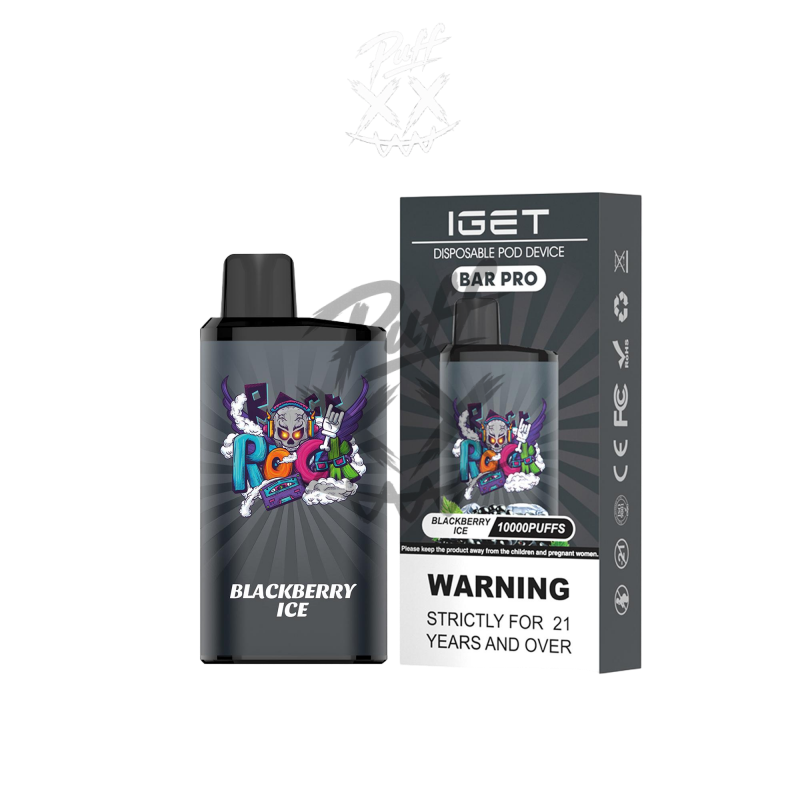
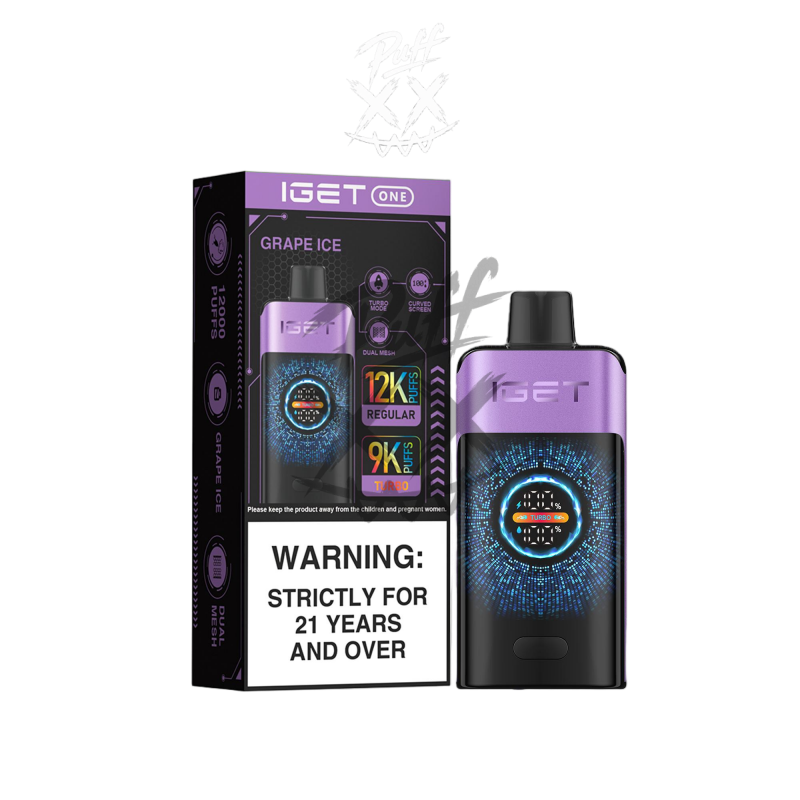
For example, the IGET Bar Pro 10000 uses a 1.2 ohm Mesh Coil, while the IGET One 12000 uses a 0.6 ohm Dual Mesh Coil. The resistance value is different, and the coil structure is different — both factors can influence how the device performs.
Resistance affects how much current flows through the coil at a given voltage. Lower resistance generally allows more current to pass through, which can lead to more heat being generated. But resistance is only one part of the equation — the battery output, coil surface area and airflow all play a role in the final draw experience.
Does Dual Mesh Automatically Mean More Flavour?
No. There is no automatic correlation between "dual mesh" and "more flavour."
The flavour experience depends on the interaction between the coil, the resistance, the power being delivered, the airflow design and the liquid delivery system. A well-tuned single mesh coil can deliver a clean, balanced draw, while a dual mesh coil may deliver a different draw profile depending on how it is implemented.
It is also worth noting that "flavour" itself is subjective. What one user perceives as stronger may be perceived differently by another user. The hardware provides the foundation, but individual preference plays a role in how that hardware is experienced.
Why Mesh Is Not "Worse"
Dual mesh is a different coil architecture, but it does not make single mesh "obsolete" or "inferior." Mesh remains a mature and widely used heating structure across many device families.
Some of the most popular and well-regarded devices use single mesh coils. The presence of a dual mesh coil in another device is not an indication that the single mesh device is outdated — it is simply a different hardware choice.
The coil format that works best for any given user depends on their own hardware preferences, not on marketing terminology. Both mesh and dual mesh are valid engineering approaches, and neither is inherently "better" than the other.
Verified Puffxx Product Examples
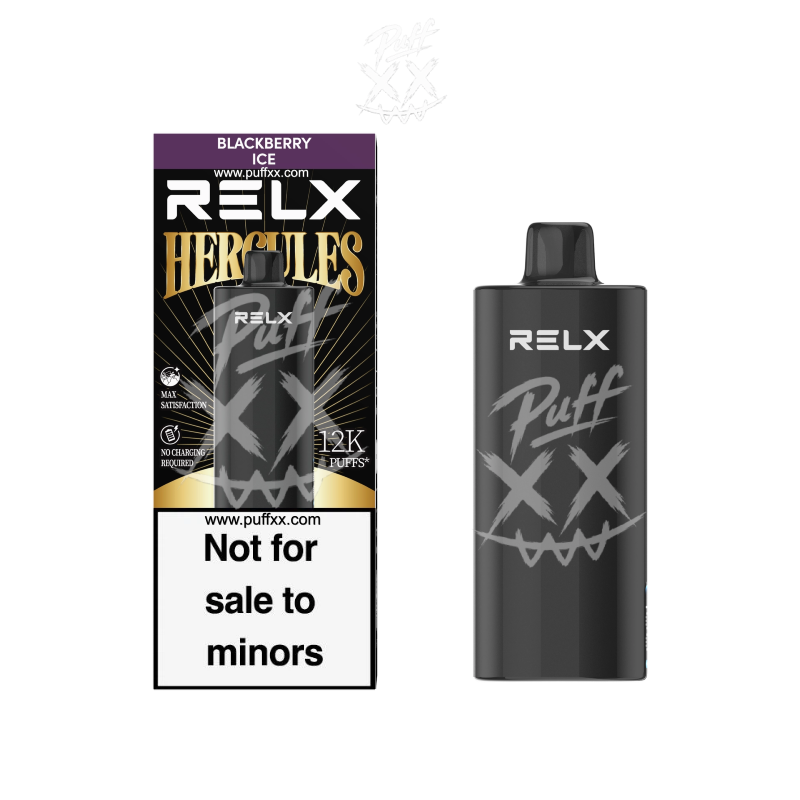
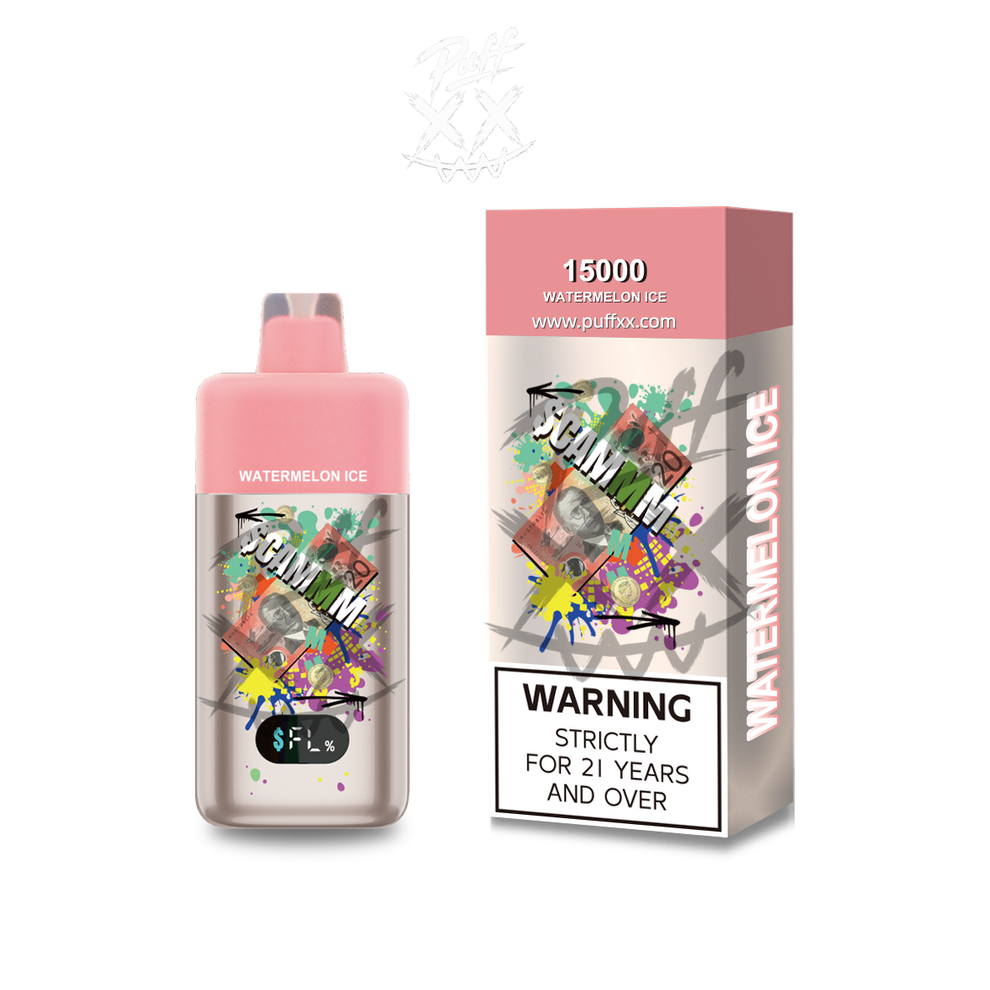
The following devices are available on Puffxx with verified coil specifications. Each one uses a different coil format, making them useful reference points for understanding mesh and dual mesh in real products.
These examples show that mesh appears across multiple brands and device families, while dual mesh is currently represented by the IGET One 12000 in the verified product data. Both formats are valid choices within their respective product systems.

What to Look at Beyond the Coil Name
When comparing devices with different coil formats, consider the full hardware picture rather than focusing on a single variable:
- Resistance: A 1.2Ω coil and a 0.6Ω coil will behave differently regardless of whether both use mesh.
- Battery capacity: The power source matters as much as the heating element.
- Capacity: Liquid volume is a separate specification from coil type.
- Airflow design: The way air moves through the device influences the draw experience.
- Device tuning: How the manufacturer has balanced the entire system — not just the coil name — determines the final output.
- Body format: Weight, size and material can affect the overall user experience independently of the coil.
The coil is one important component, but it is never the only one.
Coil Comparison Summary
Here is a concise summary of the key distinctions discussed in this guide:
| Aspect | Mesh Coil | Dual Mesh Coil |
|---|---|---|
| Structure | Single mesh heating surface | Two mesh heating surfaces |
| Resistance | Varies by device (e.g. 1.2Ω on Bar Pro) | Varies by device (e.g. 0.6Ω on IGET One) |
| Verified Puffxx Examples | HERC 12000, Bar Pro 10000, $CAMMM 15000 | IGET One 12000 |
| Is It "Better"? | No — it is a different approach | No — it is a different approach |
| What to Consider | Resistance, battery, airflow and tuning matter more than the coil name alone | Resistance, battery, airflow and tuning matter more than the coil name alone |
Frequently Asked Questions
What is the difference between mesh and dual mesh coils?
Mesh coils use a single mesh heating surface, while dual mesh coils use two mesh heating surfaces within the same coil architecture. The physical structure is different, but neither format is automatically "better" than the other.
Does dual mesh mean more vapour or flavour?
Not automatically. The vapour and flavour experience depends on a combination of factors including resistance, power delivery, airflow and device tuning — not just the coil name.
Which Puffxx devices use mesh coils?
Verified mesh coil devices include the RELX HERC 12000, IGET Bar Pro 10000 (1.2Ω Mesh) and $CAMMM 15000.
Which Puffxx devices use dual mesh coils?
The IGET One 12000 uses a 0.6Ω Dual Mesh Coil — this is the verified dual mesh example in the current Puffxx product range.
Is mesh coil technology outdated?
No. Mesh remains a mature, widely used and effective heating structure across many device families. Dual mesh is a different hardware direction, not an upgrade over mesh.
Why does resistance matter?
Resistance affects how much current flows through the coil. Lower resistance generally allows more current to pass through, which can influence how much heat is generated. But resistance is just one variable — battery output, airflow and coil design also play a role.
View the Devices
Explore the devices mentioned in this guide through their product pages.
Continue Through the Feature Knowledge Hub
Understand the Hardware. Choose the Device.
Explore the full Puffxx product range and find the device that fits your hardware priorities.
Explore the Product Range