

Understand Battery Capacity: What 440–2700 mAh Means
Battery capacity is one of the most visible numbers on a device specification sheet, but it is also one of the easiest specifications to misunderstand.
Across current Puffxx product references, battery capacities range from 440 mAh in compact rechargeable hardware to 2700 mAh in larger non-rechargeable device formats.
The important point is simple: a larger mAh number tells you more about stored battery charge, but it does not automatically tell you which device has stronger output, more intense flavour or a higher guaranteed puff count.
What Does mAh Actually Mean?
mAh stands for milliamp-hour. In simple terms, it describes how much electrical charge a battery is designed to store.
That makes mAh useful when comparing battery capacity, but the number should always be read together with the wider device format.
Describes stored electrical charge rather than direct heating power.
Indicates whether the battery can be replenished during the product's use cycle.
Coil, resistance, airflow, power management and physical design also matter.
mAh Is Not Wattage
Battery capacity and power are related to different parts of the electrical system. They should not be treated as interchangeable specifications.

This is why a 2700 mAh battery should not automatically be described as producing a stronger experience than a 440 mAh battery. Battery capacity alone does not provide enough information to make that conclusion.
440–2700 mAh Across Current Device Formats
Current Puffxx product references show a wide range of battery capacities. The differences become easier to understand when battery size is shown alongside rechargeable status and device format.

| Product | Battery | Rechargeable | Device Format |
|---|---|---|---|
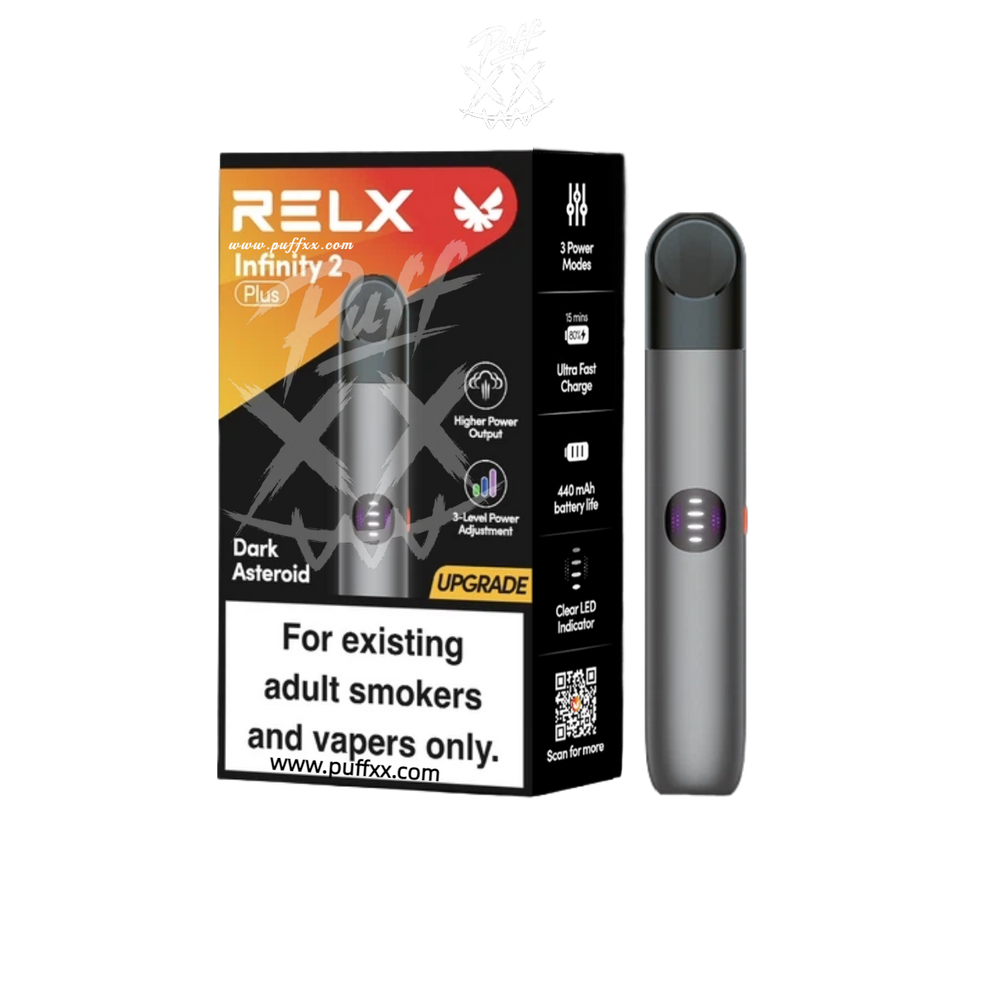
| RELX Infinity 2 | 440 mAh | Yes | Reusable device |
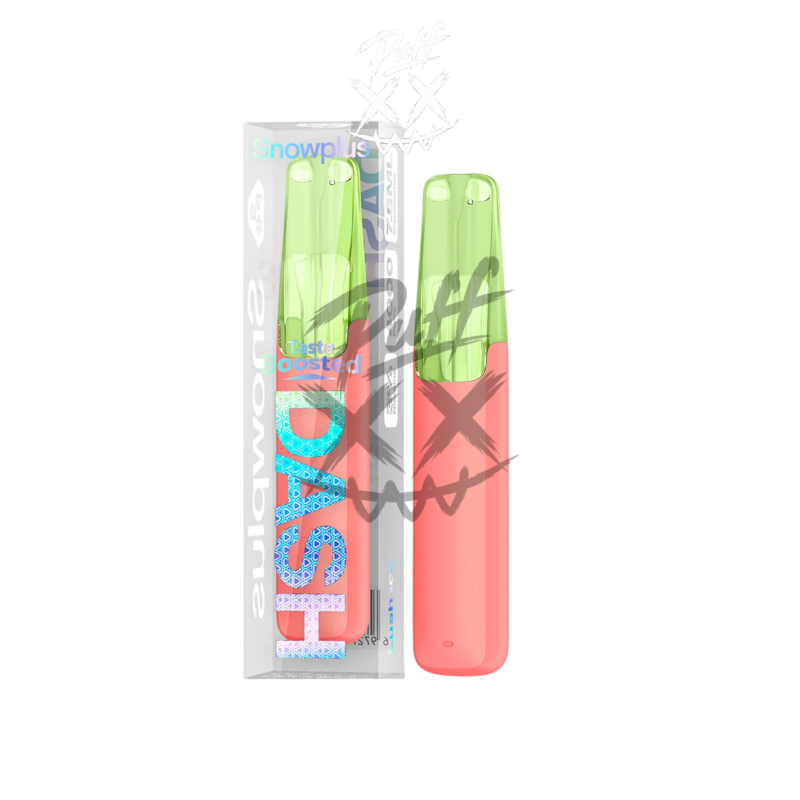
| SNOWPLUS DASH 4000 | 530 mAh | Yes | Disposable device |
| IGET Bar 3500 | 1500 mAh | No | Disposable device |
| IGET Bar Pro 10000 | 2000 mAh | No | Disposable device |
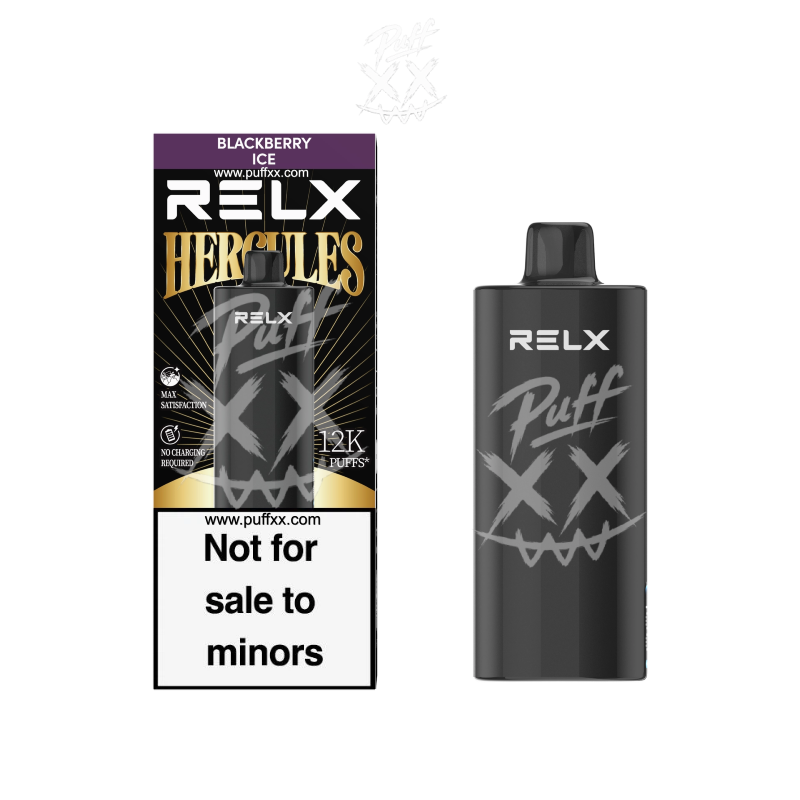
| RELX HERC 12000 | 2600 mAh | No | Disposable device |
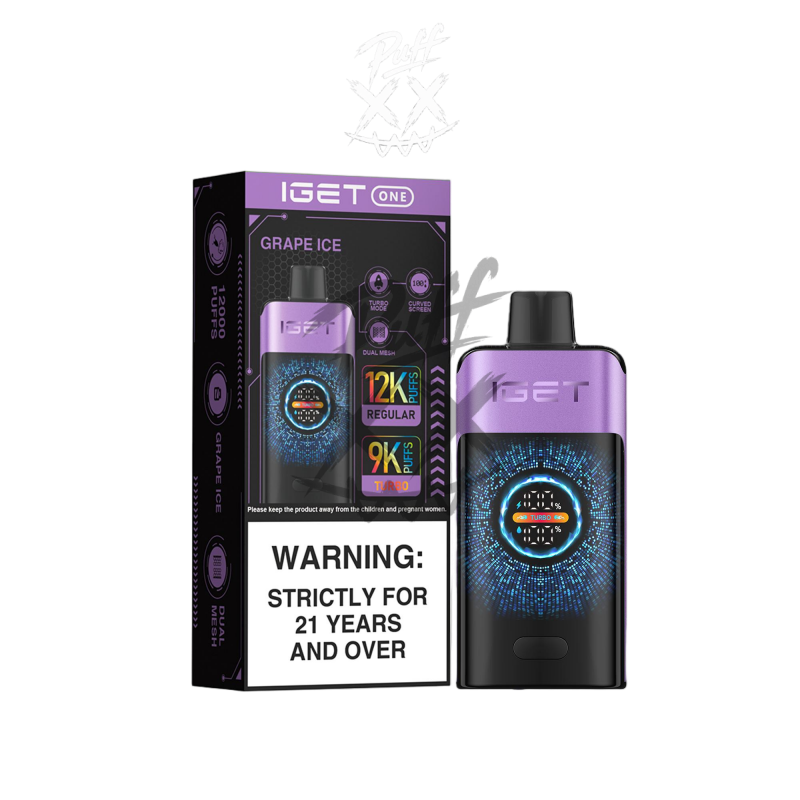
| IGET One 12000 | 2700 mAh | No | Disposable device |
Why Rechargeable Devices Can Use Smaller Batteries
Two of the smallest battery capacities in this comparison belong to rechargeable products: RELX Infinity 2 at 440 mAh and SNOWPLUS DASH 4000 at 530 mAh.
Rechargeability changes the product structure because electrical charge can be replenished during the device's use cycle. That means battery capacity should not be judged in isolation.
RELX Infinity 2 — 440 mAh
A rechargeable reusable device designed to work with compatible RELX Pods.
DASH 4000 — 530 mAh
A rechargeable disposable format with a lightweight 32.4 g body.
This does not mean rechargeable devices always use smaller batteries. It simply shows why rechargeable status is an important specification to read alongside mAh.
Why Some Non-Rechargeable Formats Use Larger Batteries
The non-rechargeable examples in this comparison use larger listed battery capacities: 1500, 2000, 2600 and 2700 mAh.
In these device formats, battery reserve forms part of the complete all-in-one product design because the battery is not replenished through charging.
That does not mean every non-rechargeable device must use a large battery. Battery selection is part of a wider design system that also includes capacity, coil architecture, physical dimensions and expected product use.
Does Higher mAh Mean More Estimated Puffs?
Battery capacity can contribute to how long a device can support its heating system, but mAh cannot be converted directly into an estimated puff count.
Other variables also matter, including liquid capacity, heating structure, power management, draw duration and individual usage patterns.
Does Higher mAh Mean Stronger Flavour or Output?
No — not by itself.
Battery capacity describes stored charge, while heating performance depends on several different hardware variables.
This is also why coil design deserves its own guide. The Mesh vs Dual Mesh Coil Guide looks specifically at how different coil structures fit into the wider hardware system.
Battery Capacity vs Device Size & Weight
Battery capacity can influence physical product design, but it is only one of several factors behind the final size and weight of a device.

| Product | Battery | Weight | Rechargeable |
|---|---|---|---|
| SNOWPLUS DASH 4000 | 530 mAh | 32.4 g | Yes |
| IGET Bar 3500 | 1500 mAh | 78 g | No |
| IGET Bar Pro 10000 | 2000 mAh | 93 g | No |
| IGET One 12000 | 2700 mAh | 118.9 g | No |
These examples show a broad relationship between hardware scale and physical format, but they should not be treated as proof that higher mAh always means a heavier device.
How to Read a Battery Specification Properly
When a product page lists a battery capacity such as 2600 mAh, the best approach is to read it together with the rest of the hardware specifications.
Explore Different Battery Formats
These four products show how battery capacity can vary across rechargeable and non-rechargeable hardware formats.
Continue Through the Puffxx Product Knowledge Library
Battery Capacity: Common Questions
What does mAh mean?
mAh stands for milliamp-hour and describes battery charge capacity.
Does higher mAh mean more power?
No. Battery capacity and output power are different specifications.
Does a larger battery mean stronger flavour?
Not by itself. Heating performance also depends on factors such as power, resistance, coil design, airflow and device tuning.
Does higher mAh always mean more estimated puffs?
No. Battery capacity can contribute to the overall use cycle, but estimated puff count also depends on liquid capacity, heating behaviour and usage patterns.
Why can rechargeable devices use smaller batteries?
Rechargeable hardware can replenish battery charge during its use cycle, so battery capacity should be considered together with rechargeable status and the overall device structure.
What other specifications should I check with mAh?
Rechargeable status, product format, coil type, capacity, weight, dimensions and display features can all add useful context.
mAh Is an Important Specification — But It Is Only One Part of the Device.
Battery capacity helps explain how much charge a battery can store. To understand the wider hardware format, read it together with rechargeable status, coil design, capacity, weight and other verified specifications.
Next: Rechargeable vs Non-Rechargeable →